Bereaved Mother Facilitates Peer Grief Support Group
By Luke Schmaltz, VOICES Newsletter Editor
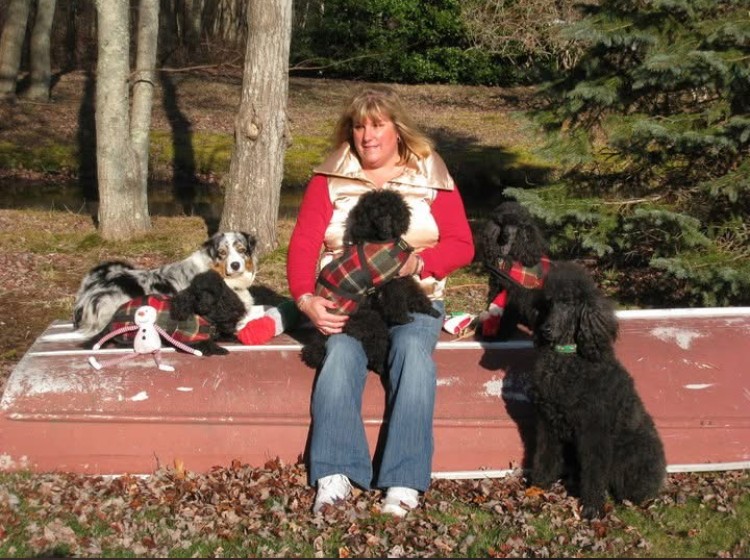
Jane Small is a bereaved mother in recovery who recently began facilitating an in-person peer grief support group for The Sun Will Rise (TSWR).
This group is for adults who have experienced the death of a parent from substance-use-related causes. Small, a retired psychologist, has endured profound loss, including the death of her mother, two spouses, peers, and her daughter, who died two years ago, just two days before Thanksgiving.
Reacting to Loss
“I’ve experienced a lot of loss,” Small begins. “They are all very different. I lost my best friend and my mother shortly thereafter. How old you are at the time has a lot to do with how you process grief. My mother’s death was not sudden, nor was it a surprise. She had been told by her doctors that she had cancer directly related to her drinking, and that if she wanted to keep living, she had better knock it off. She did not heed the warning. That was 17 years ago.”
As Small reflects on this loss, she recalls how getting sober at 34 affected her grief. “That was a big bone of contention with my mother,” she says, “Who kept insisting that I couldn’t be an alcoholic, although she was one, my brother was one, and so was my grandfather on that side of the family. She really had a hard time respecting that boundary with me. Our relationship was very estranged.”
“There is a lot that goes along with being parented by an alcoholic,” Small continues. “I think it changes the grief. For example, my father was not an alcoholic parent, but his grief was devastating to me, it was a huge loss, and it took many years to even get a grip on it. I was quite young when he died and I was not yet sober, but it was a very big deal. When I finally got sober, it was like the first day after he died all over again. Even though I went to his funeral and cried, I had to do all the grief work over again.”
Recovery and Support
“What I have learned, through a lot of hard work on myself, through AA, and through spiritual growth, is that I cannot hold my recovery and what is going on in my life in the same hand. My recovery is not dependent on things in my life going my way. Life is going to happen – when you are in recovery, things happen that aren’t always pleasant. My sobriety cannot be contingent on that – it is in a separate hand. That perspective is directly from the Big Book (AA).”
“When I experienced more tragic losses later in life, I had to embrace my sober community, and they carried me until I could walk. At the funeral for one of my spouses, 225 people from AA showed up to support me, they also stopped by my home to check on me. My sponsor explained they were all dropping by because they wanted to make sure I was OK. At the time, I thought it was strange but looking back, I really liked that. It got me through the ordeal.”
“When my daughter passed two years ago, same thing. AA people showed up, they filled the hall, people from other support groups I attended showed up. They were all OK with me being a hot mess for however long it took. No one said, ‘Stop crying.’ No one judged me or pushed me to hurry up and get over it. Having that kind of support is a big buffer. If my mother would have event given it a fair shot, she would have loved it.”
“I was divorced from my first husband when he died from this disease,” Small continues. “I felt awful for my children more than for myself. My second husband died after picking up a drink after being sober for seven years. That was a hard one. That one was very tough. I had a support network in AA, and my business required many, many hours of work. I was thankful for that because I loved what I did as a psychologist. It saved me in a lot of ways because I was forced to stay very busy to make it work.”
Growth and Connection
“Through an act of providence, which is the only way I can explain it, I met my third husband 23 years ago. The only reason I went out with him was that he had sobriety and a great sense of God and spirituality in his life. I felt good around him, and I liked the way nothing rocked him – including when my daughter was in a terrible car crash. She had a broken neck and was in a coma for a couple of months. But he showed up and said, ‘She will walk again, she is going to be OK. God is going to take care of this.’ I didn't believe him at the time, but I believed that he believed what he was saying.”
“This was early in the relationship, and I got the idea that he was someone I could learn from and grow spiritually from. Finally, I can say that I feel this marriage is the real deal because for both of us, the number one element in our lives is God, and our recovery is not negotiable. What I get from sober living far outweighs what I ever got from drinking and drugs.”
Facing Loss
Small acknowledges the challenges of coping with birthdays and death anniversaries. “The death of a child is a whole different kettle of fish than the death of my spouses, my mother, or my best friend. It doesn’t compare to any of the others – it is completely different. It is an upsetting of the natural order. After the shock wore off from the death of my daughter, about eight months later, I would find myself needing to pull the car off the road to just cry. Now that I am older and wiser, I know that I can’t run from it. In my 20s, after my father died, I thought if I drove far enough and fast enough, I could get away from the feelings. Now I know, you can’t shop them away, eat them away, or run them away – they need to be dealt with.
“Today, I have a few people I call when things get tough, and I say to them, ‘I am melting.’ For example, I might call my friend Gio and say, ‘I was at the Stop & Shop, and they had Easter cards that said Happy Easter to my daughter, and I don’t have a daughter to send the card to,’ And he will talk me through it.”
“I found Don Lipstein at a grief support group offered by TSWR. Now, I have a place to turn to, and anything he says I write down and hang onto like the gospel. Since my daughter died two days before Thanksgiving, I wanted to do something different last year. We decided to order Chinese food and watch the football game instead of having a traditional holiday. I mentioned this to Don, and he said, ‘Starting new traditions is a wonderful idea.’ I felt vindicated by his reply. All these interactions with supportive people have taught me that, however I am, that is OK.”
Power and Acceptance
“I have learned that I won’t know what I am going to be up for on birthdays and anniversaries. My daughter’s birthday is in July, and I won’t know what I'm doing that day until the day before or the morning of. Sometimes I am up for spreading ashes, and sometimes I don’t want the phone to ring or to talk to anybody except my God.”
“We have power, but only over ourselves,” Small says. “There is so much we can do… but only about ourselves. I tell my husband that this is the last chapter for us. I’m turning 68 soon, so let’s live our best life. Let’s just love each other and love the people in our lives. I tell everyone in my life, ‘It’s nice to see you, I love you very much.’ The people at AA must think I am a bit strange, but I find the need to say that because you never know when you’re seeing someone for the last time.”
Small explains how the features offered through a virtual meeting can be helpful for people who may find that talking about their loss and grief is too overwhelming. “The nice thing about Zoom,” she says, “Is that you can stay in the safety of your own home, and you can turn off your camera if you need to.”
“The second year of grieving my daughter’s death was 100 times harder than the first,” Small says. “In her work, Megan Devine explains why this is: you are finally starting to realize they are not coming back. I was so disappointed that the second anniversary was so much harder than the first. This came up in one of Don Lipstein’s groups, and everybody agreed that it was worse. Nobody said the second year was better. Having that validation from other people helped me realize that I am right where I am supposed to be. I felt so relieved – I felt OK with my grief.”
In the grief support group Small facilitates, she approaches the work by asking the question, “What do grieving people need?”
“The two biggest things they need,” she concludes, “Are love and someone to listen. Give people a soft place to land and be loving, kind, and patient with their process…and the rest will happen.”
Jane Small’s “Death of A Parent” peer grief support group meets via Zoom on the second Wednesday of the month at 7:00 PM ET. If you are interested in attending, you can learn more here.