Recovery Coach Supervisor Turns Pain into Purpose
By Luke Schmaltz, VOICES Newsletter Editor
“A bend in the road is not the end of the road… unless you fail to make the turn.” – Helen Keller
For some people, tragedy is infrequent, like a temporary obstacle in the road. For others, disaster arrives intermittently, but not often enough to derail their momentum. Yet for a few individuals, life can become a relentless storm of tragedy, bombarding them at every turn as if determined to make them crash.
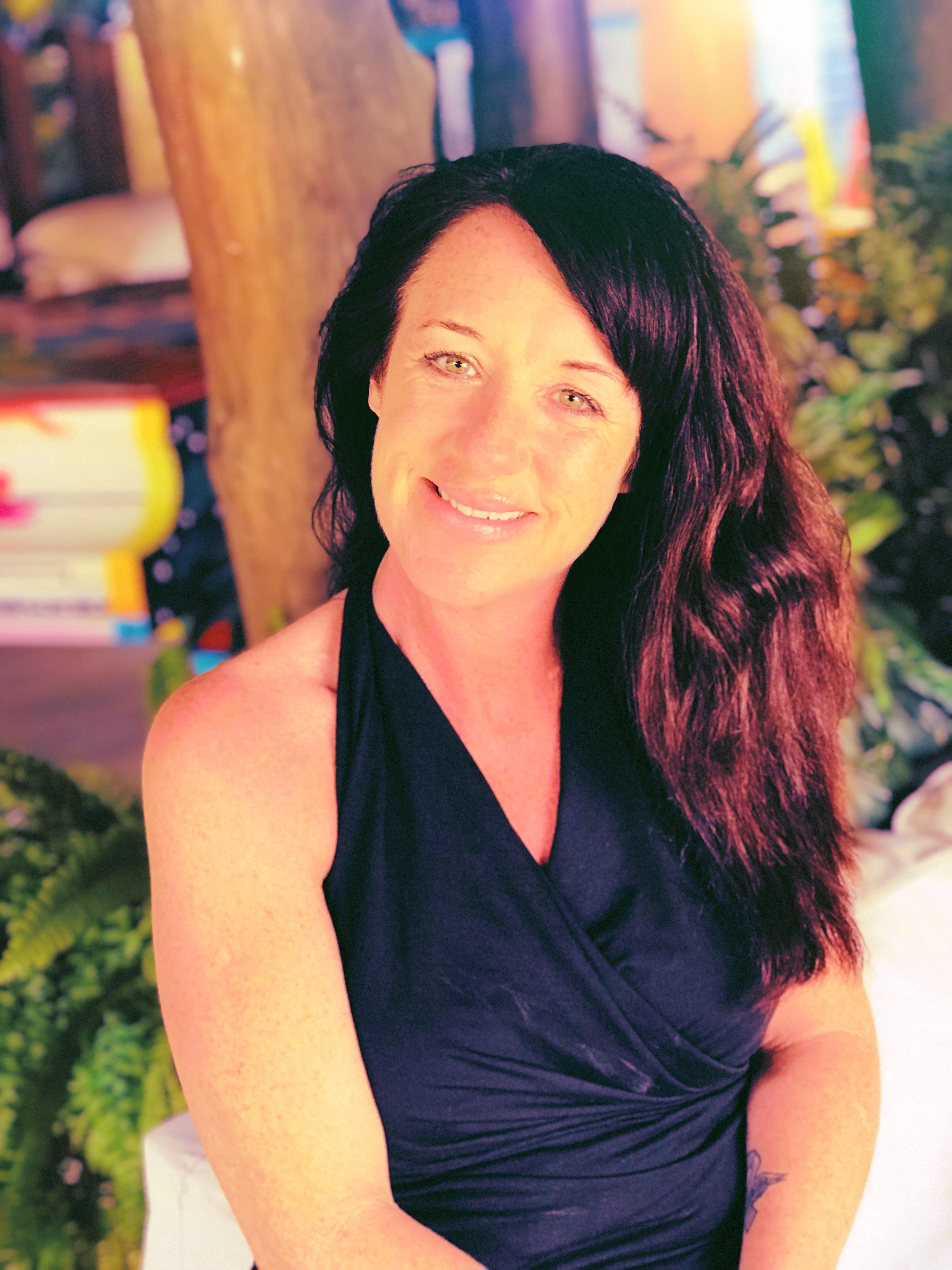
CarrieAnn Salemme has persevered through the gauntlet of adversity to emerge with wisdom and grace. She is on a mission to help people cope with substance use, to teach the bereaved to process grief, and to show her peers how to help others.
Currently, Salemme works as a licensed alcohol and drug counselor, an overdose educator, and a recovery coach supervisor for the City of Revere Department of Public Health in the Substance Use Disorder and Homeless Initiatives (SUDHI) Office.
Intense Beginnings
Salemme is in long-term recovery, having embarked on the journey in 2001. “I experienced my first loss to an overdose when I was 17 years old,” she begins. “It was my uncle, but he was only four years older than me, so he was more like my brother. At that age you don’t know how to deal with grief, so I numbed myself for many years and never really dealt with it.”
“I started working in the [recovery] field in 2003,” Salemme continues, “by then I was a counselor, I had clients and I started to build a network of people in the community.” Around then, more and more deaths were occurring in her personal and professional circle and the numbers seemed to be steadily escalating. Then in 2013, the pattern of loss took a very personal turn. Salemme was diagnosed with stage three colon cancer and one of her childhood friends who was also a peer in her recovery group was simultaneously diagnosed with stage four breast cancer. “We both went through cancer treatment together,” she says.
A Dark Place
Salemme finished her cancer treatment regimen in November 2014, but in the second week of December her friend died. “I was with her through the whole hospice period and then two days after she had passed, my best friend [from] growing up overdosed and died,” Salemme continues. “I had survivor’s guilt from cancer and addiction, like ‘why did I get into recovery and not die or why did I get cancer and not die?’ so I really went into a dark depression throughout that winter,” she explains.
Salemme opted for antidepressants to get her through the roughest stretch of that season. “It did help a little bit. I was in recovery, so I had some tools on how to manage the grief, but I wasn’t taught how to deal with the grief,” she says.
By 2015, Salemme’s trek through tough circumstances was not over. Her personal and professional circles were becoming severely affected by overdoses. “I want to say that’s when fentanyl first hit the ground, so then, I was losing clients,” she explains. “Then in 2017, I lost my dad – that was a hard hit for me. He was a person in recovery, he had hepatitis C, he did the treatment, but he never followed up. It manifested into liver cancer and by the time we found out it was too late. He died within three weeks.”
The trend continued in Salemme’s world, and she found herself helping people in hospice, mourning the loss of her mother-in-law and witnessing the passing of many more. “Between the two deadliest diseases – cancer and addiction – I was completely overwhelmed,” she says. Soon, she found herself back in that dark place. “I either had to do something, or I was going to die,” she explains. “I was either going to use drugs or take my own life. I finally said to myself, ‘you either need to do something or you’re going to die. You have children, you have people who depend on you, so don’t be selfish,’ and that’s what kept me going,” she says.
A New Chapter
“I immersed myself in self-help books, I started meditating, I started yoga, I started doing some healing and energy work and that led me to one tool after another. The meditation really saved me. I learned to isolate the pain of loss and allow it to move through me rather than holding onto it,” she says.
In 2017 she was diagnosed with lupus (an autoimmune disease). “I was in that victim mode, and I didn’t know it until I started to do some reading,” she says. “Finally, I knew it; this was grief. This was my emotional response to grief. I was manifesting physical illness in my body due to my grief and that’s when I really started putting myself first. Before, I didn’t practice self-care, I was a caretaker, I had codependent issues, I wanted to save the world, but I couldn’t save myself,” she explains.
“So, I decided it was time to save myself. I made a daily routine of self-care, I was going to get massages, going to church, I had energy work done, I was reading and journaling and I stuck my toes in every wellness modality out there. The thing that helped me the most was meditation and sitting with myself and figuring out who my authentic self really was because I didn’t know. I was just living this persona and I had these energy vampires in my life sucking the energy out of me, but it was my fault because I created this role for myself, and people took advantage.”
Keep Looking Up
“Once I got out of the victim mentality,” she continues, “my life really started to change. I brought joy back into my life and learned to say ‘no’ that I wasn’t going to be a victim to my ailments and to say, ‘I am healthy and well’ and to give myself positive affirmations. I had to really look myself in the mirror and tell myself, ‘You are worthy, you are lovable, you are healthy.’ I did that every day until I felt it and today, I have a different perspective on death. I know we don’t die; we are all energy which cannot be destroyed; we all have the same feelings, just different life experiences.
“I did a lot of mediumship because I was so intrigued by the spirit world because of all the grief. It has given me a different relationship with the deceased. I can’t physically see them, but when I meditate, I can connect with them, and I feel their energy. That is the key to dealing with grief; learning how to connect with your loved one who physically isn’t in front of you, but you can feel their love and their energy and really know they are there. I wouldn’t be talking about this if I didn’t know it to be true because of my own experiences. That’s what gives me hope and comfort – knowing I can connect with them in a different way and knowing the love is still there and I feel it and I know it and that’s how I get through my grief today. So now when someone passes, I say, ‘I’ll see you when I get over there.’”