The Grief No One Should Have to Defend
Understanding and Supporting Grief After an Overdose Death
By Leigh-Ann Larson, VOICES Guest Contributor
When someone dies from an overdose, the people who love them are left with more than the heartbreak of their absence. They may also inherit questions, judgments, assumptions, and blame.
Instead of simply being asked, “How are you surviving this loss?” A griever may be asked whether they knew the person was using substances, whether they tried to get the person help, or why the person did not stop. They may hear the death described as preventable, self-inflicted, or inevitable. They may encounter people who focus more on the circumstances of the death than on the life that was lived.
All of this can leave grieving families feeling as though they must explain their relationship, defend the person who died, or justify the depth of their sorrow.
No one should have to defend their grief.
A person who dies from an overdose is still someone’s child, parent, sibling, spouse, partner, grandparent, friend, or beloved member of a community. Their life cannot be reduced to the substance they used, the illness they experienced, or the final moments of their life. Their death does not erase their humanity—and it does not diminish the love others have for them.
When Stigma Complicates Grief
Grief after an overdose death can include many of the emotions that accompany any significant loss: sadness, longing, disbelief, anger, loneliness, fear, and profound disorientation. However, overdose loss often carries additional burdens.
This kind of grief is sometimes described as disenfranchised grief – grief that is not fully recognized, openly supported, or treated as legitimate by the wider community. Families may notice that people respond differently when they learn that the death involved substances. Condolences may become less compassionate. Conversations may become uncomfortable. Friends may avoid saying the person’s name or acknowledging important anniversaries.
Even well-intentioned people may say things that cause harm:
“At least they are no longer struggling.”
“You did everything you could.”
“They had so much to live for.”
“Why couldn’t they stop?”
“I thought they were doing better.”
Although some of these statements are intended to comfort, they can intensify guilt, anger, and pain. They may also suggest that the bereaved person should be able to make sense of a death that may never feel understandable.
Families may struggle with how much to disclose. They may wonder what to write in an obituary, what to tell children, or how to answer questions from coworkers and acquaintances. Some may feel pressure to protect the person’s reputation. Others may want to speak openly about addiction, substance use, mental health, or failures within treatment systems.
There is no single correct way to talk about an overdose death. The bereaved person has the right to decide what feels safe, truthful, and appropriate to share.
Guilt and Unanswered Questions
After an overdose death, the mind often begins an exhausting search for the moment when the outcome might have been changed.
What if I had called that night?
What if I had recognized the signs?
What if I had set a firmer boundary, or had not set that boundary?
What if I had found a different treatment program?
What if I had answered the phone?
This is called "survivor's guilt." These questions are the mind’s attempt to create order after something devastating and traumatic. If we can identify one decision that caused the death, we may temporarily feel that the world is less random. But this search for certainty can quickly become self-punishment.
Hindsight gives us information that we did not have before the fact. After a death, individual conversations, missed calls, relapses, treatment decisions, and family conflicts can appear to form a clear path toward the outcome. While living through those events, however, the path was rarely clear.
Substance use disorders are complex conditions influenced by biology, trauma, mental health, relationships, environment, access to care, tolerance, changes in the drug supply, and many other factors. Love matters enormously but love alone cannot control another person’s illness or guarantee their safety.
Releasing self-blame does not mean pretending that everything was handled perfectly. Families are human. There may have been arguments, boundaries, periods of estrangement, enabling, rescuing, exhaustion, or words spoken in fear and frustration. It is possible to acknowledge regret without accepting responsibility for another person’s death.
More compassionate questions may be: “What was I trying to manage, protect, or survive with the knowledge and resources I had at the time? What was I trying to manage that was not mine?"
Those questions do not erase pain, but they can begin to make room for truth and mercy.
Co-occurring Emotions
Overdose grief is seldom gentle or simple. A grieving person may feel enormous love for the one who died while also being angry with them.
They may be angry about broken promises, frightening phone calls, financial losses, repeated crises, or years spent waiting for the next emergency. They may feel abandoned by their person’s death. They may be furious with treatment programs, medical providers, insurance companies, the criminal justice system, drug suppliers, or family members who respond differently.
They may even feel relief that a long period of fear and instability has ended – and then experience shame for feeling relieved.
Love, anger, sorrow, and relief can coexist. One emotion does not cancel another. Being angry does not mean there was no love. Feeling relieved does not mean someone wanted the person to die. It may simply mean that the nervous system has been released from a state of constant alarm.
Grief asks us to hold contradictions. The relationship may have contained devotion and disappointment, tenderness and trauma, hope, and exhaustion. Healing does not require rewriting the relationship into something simpler than it was.
Tending to a Nervous System in Grief
An overdose death can be traumatic, particularly for someone who discovered the body, attempted resuscitation, witnessed the overdose, received incomplete information, or was exposed to distressing details. They may remain physiologically alert long after the immediate crisis has passed.
A grieving person may experience difficulty sleeping, intrusive images, panic, numbness, irritability, forgetfulness, physical pain, or disconnection from the world. These responses are not signs of weakness. They are understandable reactions from a nervous system trying to process an overwhelming event.
In acute grief, coping may need to become very basic. Eat something nourishing when possible. Drink water. Rest without demanding sleep. Step outside and feel the ground beneath your feet. Place a hand over your heart or abdomen and lengthen your exhale. Sit near a safe person without feeling obligated to talk.
When distress rises, it can help to gently orient to the present by naming five things you can see, four things you can feel, and three things you can hear. This reminds the body: I am here now. I am breathing. In this moment, I am safe enough.
Grief cannot be regulated away, nor should it be. The purpose of nervous-system care is not to eliminate sorrow. It is to help the body carry sorrow without being completely overtaken by it.
Professional support may be especially important when traumatic images, severe guilt, substance use, hopelessness, or an inability to function persist or intensify. A trauma-informed grief therapist can help a person process both the death and the complicated experiences that may have preceded it.
Protecting Yourself from Harmful Responses
Not everyone will know how to respond compassionately. Bereaved people are allowed to set boundaries around conversations that feel invasive, blaming, or emotionally unsafe. Boundaries can be brief:
“I’m not ready to discuss the details.”
“I need you to remember that this was someone I loved.”
“The circumstances of the death are not the whole story of their life.”
“I’m looking for support, not an explanation of what should have happened.”
It is also acceptable to step away from relationships that repeatedly intensify shame. Grief requires energy, and bereaved people do not have to spend that energy educating everyone around them.
Support is most helpful when it allows the full truth to be spoken. That may come from an overdose-loss support group, a grief counselor, a recovery community, a spiritual community, a trusted friend, or a family member who understands that listening is more important than fixing.
The right space is one where the person who died can be spoken about honestly, as someone who struggled, perhaps caused pain, and was also funny, talented, generous, complicated, cherished, and worthy of being remembered.
Remembering the Whole Person
One of the most healing acts after an overdose death is reclaiming the person’s story from the way they died.
Say their name. Tell stories from before substance use became central to family life. Remember their humor, interests, relationships, music, work, creativity, and dreams. Display photographs that reflect different periods of their life. Cook their favorite meal. Support a cause that mattered to them. Create a ritual for birthdays and anniversaries. Write down memories so that younger family members can know who they were.
Remembering the whole person does not require denying their struggle. It means placing that struggle within the larger landscape of their humanity.
People are more than the hardest chapter of their lives.
Compassion Over Judgment
There is no timetable for grieving an overdose death. The passage of time may soften some aspects of the pain while revealing others. Birthdays, holidays, legal proceedings, news stories, family milestones, and encounters with stigma may reactivate grief unexpectedly.
Healing does not mean forgetting, approving of what happened, or reaching a point where death no longer matters. It means gradually developing the capacity to live while continuing to carry love for the person who died.
Families affected by overdose loss need what all grieving people need: acknowledgment, patience, companionship, practical support, and permission to mourn without shame. They need to hear:
Your grief is real.
Your love is real.
Your anger does not make you disloyal.
Your regrets do not make you responsible for everything that happened.
The person you lost was more than the way they died.
And you should never have to defend why their life and their absence matter.
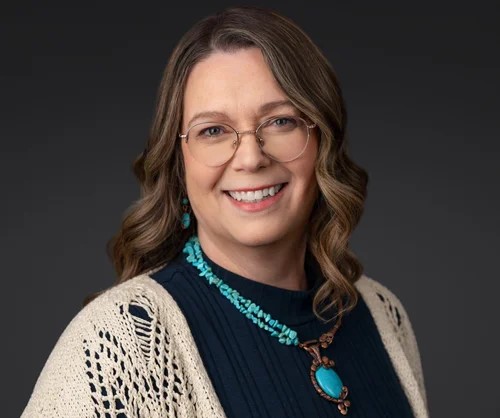
Leigh-Ann Larson is the Founder and CEO of Elevate Counseling Services and Rising Up Intensive Outpatient Services, as well as the Facilitator of The Grief Community, an online support group and grief education membership. Leigh-Ann is a Licensed Mental Health Counselor, Certified Grief Educator, and Trauma Specialist trained in EMDR, EFT, and Energy Psychology Protocols. You can find Leigh-Ann on Eventbrite and YouTube, where she offers monthly Free Community Education.
For more information about Grief Support in Massachusetts:
www.elevate-counseling.com: Outpatient grief counseling online and in person
www.risingup-iop.com: An intensive group therapy program for grief online and in person
www.leigh-ann-larson.com: An online grief community support group and education membership