Filmmaker in Recovery Exposes Fraud
By Luke Schmaltz, VOICES Newsletter Editor
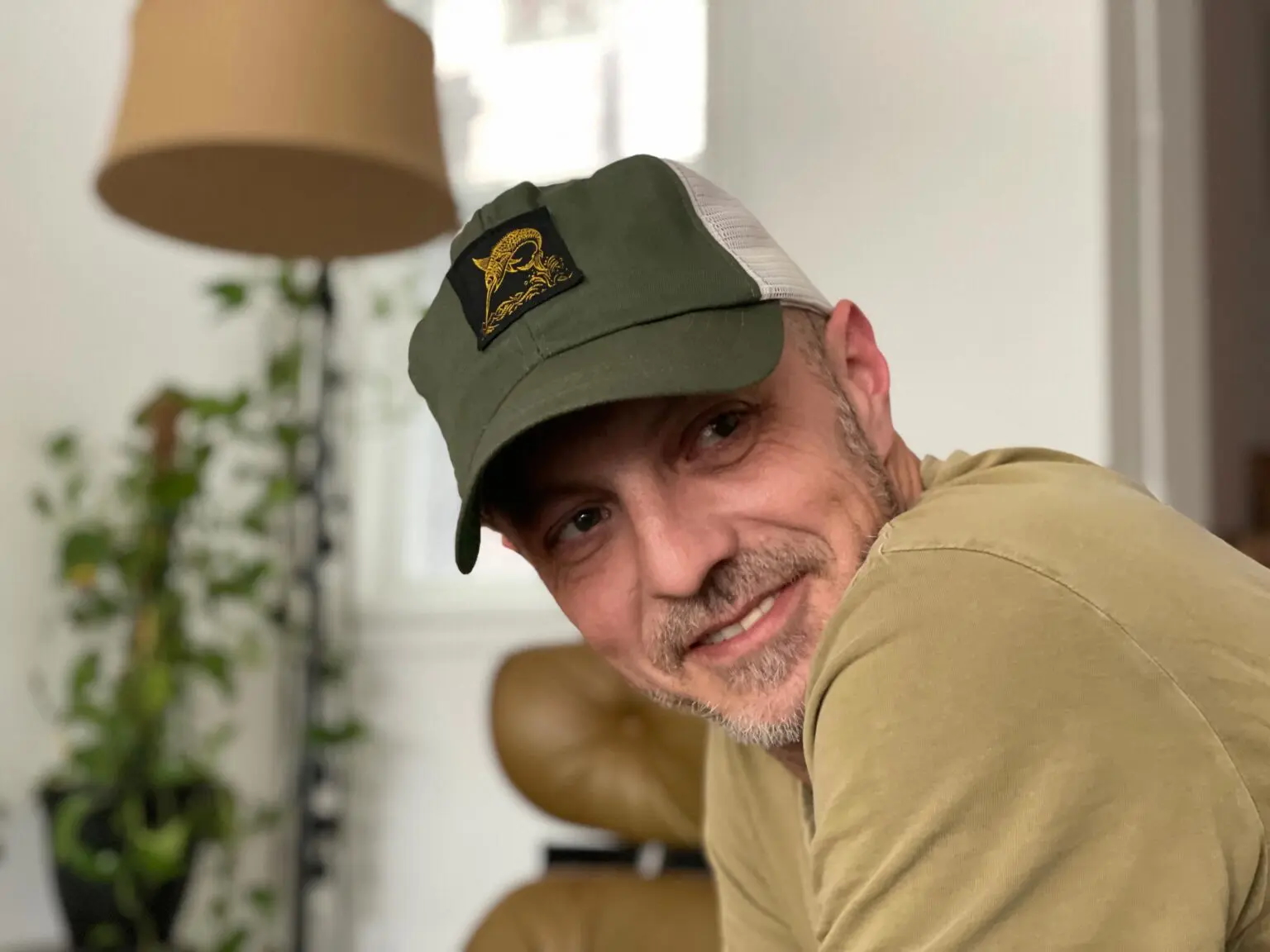
Ben Flaherty is the filmmaking visionary behind Shuffle. His documentary is about some (not all) recovery centers in south Florida that are cycling clients through a rinse-and-repeat style of “treatment” that provides facilities with massive insurance reimbursements. These can be up to $1M per case, while offering little discernable help to the client.
As a person in long-term recovery, Flaherty describes the making of Shuffle as “...an act of witness, accountability, and ultimately love.” Flaherty shares insight into the filmmaking process, the recovery community at large, and the intersection of grief and recovery.
A Journey Begins
“I’ve been making films for 20 years,” Flaherty begins, “And documentaries have never been of particular interest to me until I stumbled upon this story. I got sober at 41, about seven years ago. I was a successful yet secretive alcoholic and part-time cocaine addict. Regardless, I managed to lead a fairly successful life – so I was fortunate in that regard.”
“I went to treatment and had an incredible experience. During that time, I didn’t realize how much more work was ahead of me,” Flaherty continues. “Most people don’t know, including me, that recovery is an ongoing process.. There’s a learning process at work and ideally, if you make the right decisions and stay on the path you can be successful.”
“Six months after completing treatment, when I heard about this scam that was happening, I was blown away on a number of levels. For one, I was incredibly naive because I found recovery through my insurance. It had never occurred to me to think of this as a transactional process.”
“I heard about the scam through a friend at an AA meeting. He got sober in Florida and was working at a call center. I learned that call centers are where a lot of people in recovery in Florida find work. This tipped me off to the fact that something was wrong because many call centers are involved in fraud. My friend told me that one of his coworkers was showing up with a lot of extra cash and explained that the rest of the staff could make extra cash by recruiting callers into one particular sober home.”
Anatomy of a Scam
Shuffle takes a deep dive into this phenomenon, documenting how Florida rehab facility representatives are cold-calling people who have previously been through treatment. The person is offered cash to check into another facility for detox, even if they don’t need to. This agreement gives the facility rep the ability to charge the person’s insurance company for services they don’t need – the most lucrative of which is detox, followed by a suite of other billable services.
Meanwhile, as Shuffle demonstrates, many patients fall victim to incentivized relapse. After weeks of inferior to nonexistent treatment, they are released with a cash payout as a sort of participation stipend. In many cases, without an effective recovery support system in place, the person relapses and the cycle starts all over again. Some people featured in Flaherty’s film report having been to dozens of rehab facilities over a period of several years.
“This didn’t make sense to me because a sober home doesn't have anything to do with your insurance,” Flaherty says. “I had to start putting things together until I had an ‘ah-ha’ moment. It affected me because I had just been through this experience where I felt safe enough to be vulnerable enough to get better. I realized that the recovery model had turned into a transactional thing where people who needed help were not only NOT getting sober, they were dying.”
“Our supporting evidence came from several areas,” Flaherty continues. “I had real-world evidence from the documentary work I was doing along with individual testimonial evidence from families. Moms shared their EOVs (Estimations of Value) on their kids’ insurance paperwork. We also gained access to quantifiable, crunched data from an agency which could demonstrate, through tangible numbers, how providers from many different areas were filing paperwork for the same person to get funding sent to them.”
Reaching Out
“I felt like the victims in these scams were my people, this was my world where it was happening, and that I could navigate it differently than my colleagues. Another aspect of it is that I had genuine curiosity about what was happening. I was particularly fascinated with the people doing the wrong because most of them were in recovery. How could you do that to someone else in recovery? I wanted to find someone who could speak with me honestly about what was happening.”
“In the beginning, most of the people we spoke with were moms,” Flaherty explains. “First, there’s no one tougher in the world than moms. Moms who have experienced loss of any sort are incredibly resilient. We spent about eight months talking to moms and the majority of them had a child who was actively caught up in this or suffering repercussions. They weren’t at home – they were either in jail or stuck somewhere in the shuffle.”
“The moms we spoke with who had lost a child to substance use were going through devastating, all-permeating grief. In those moments, we learned something important. Grief from substance-related loss needs its own space. As we were doing interviews and thinking about how to put an impactful film together, we realized we had to treat grief as a character as well. If there was too much grief in the film, it was going to overshadow the problem that was causing it in the first place.”
Front Row Seats
“During the course of making this film, one of the subjects, Daniel, died from an overdose. It was an incredibly tough rug pull. We were friends, he was smart, and he was at the successful end of the treatment/early recovery process. There were some text messages he had received from a treatment center that was trying to get him back. The thought was that maybe he relapsed in preparation to go back, because that is usually the process.”
“We have kept in touch with his mom, Laura. She comes out to screenings of the film and participates in discussion panels. She has watched the film in theaters sitting next to other people at least five times now. I sat next to her during a screening, which was an important thing to do. During a panel discussion, an audience member said to her, ‘It must be devastating to watch this over and over.’ She replied, ‘Yes, but I will never miss an opportunity to watch it, because I get to see my son smile.’”
Flaherty explains that he shot footage for Shuffle for three-and-a-half years. He accomplished his mission of capturing the story, based on the impact of the film. What he did not anticipate was becoming involved on such an intimate level with the people he was documenting. “There was a lot of active participation in these people's lives when we weren’t on camera,” he says. “I still talk to all of them, just not as often.”
“While making this film, everyone I met who was struggling was very thoughtful and had a really big heart. That’s why stigma is such a bitch in this world because society labels them all as bad people. It’s sad to see how this disease destroys people – which is not far from my own experience. “
Widespread Impact
For the past year, Shuffle has been making the round on the film festival circuit. “We’ve done around 30 or 40 of those,” Flaherty says. “We have an impact campaign underway called Stop the Shuffle. We are bringing awareness about this issue to the general public, providing guidelines for people who are seeking treatment so they can do so safely, and setting the stage so that we can have conversations with policy makers and educators.”
“We have been touring universities like Duke, Vassar College, Vermont Law School, and many other major institutions and smaller ones as well. We are doing so as a part of their addiction counseling and substance use programs. As far as policy work goes, we have connected with a few legislators in different states. We connected with former State Attorney David Aronberg, who wrote a book about this issue called Fighting the Florida Shuffle.”
“We had a screening at the Cato Institute, which is a D.C. think tank. They have some really interesting health policy ideas. We are trying to have a conversation across different specialties such as with people in education, policy, counseling, and care providers. Recently, we were fortunate enough to receive a Public Awareness Award from the National Health Care Anti-Fraud Association. We got to meet a bunch of special investigators from the insurance companies. They are the ones doing the work to prosecute the people committing these crimes.”
If you would like to learn more about Shuffle, including upcoming showings and how to book a screening, you can do so here.