Peer Grief Specialist Recounts Recovery Journey
Part Two
By Luke Schmaltz, VOICES Newsletter Editor
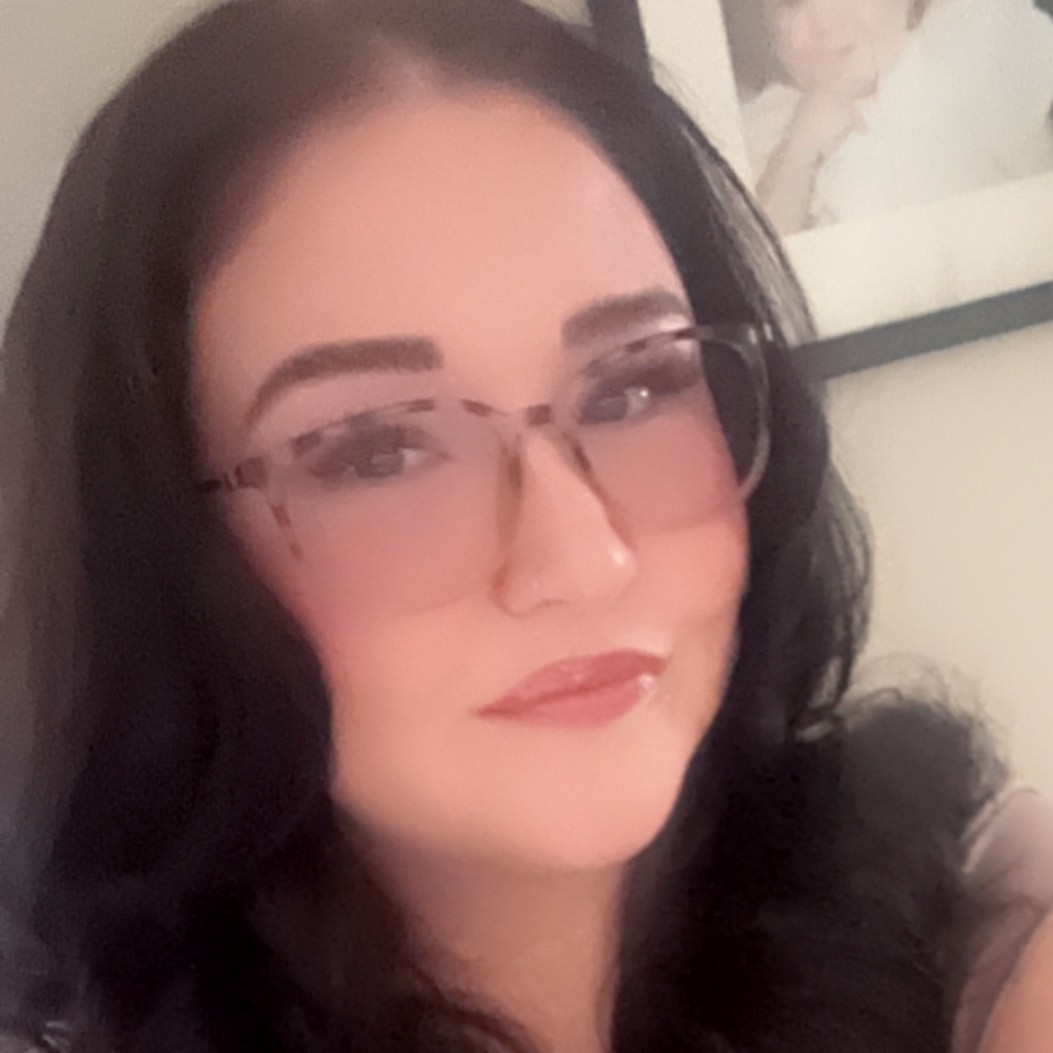
Meagan Fisher is a Peer Grief Support Specialist who recently joined the SADOD team. Her lived experience of substance use, treatment, and recovery informs her work as she helps those who have lost a loved one to substance-use-related issues.
Part One of this story delves into Fisher’s journey, which she equates to having survived a fifteen-year war. Here she offers additional insight into the world of substance use and the many challenges of finding and sustaining recovery.
Bearing Witness
I have witnessed a lot of opioid overdoses, but only one cocaine overdose and they are very different," Fisher says. "The cocaine overdose was one of the most f@#ked up things I’ve ever seen. I met a kid in New Bedford who had just been released after five years in jail. I went up to his apartment and we shot up cocaine for three days straight. He was able to go to work and come home each day. We met up one morning at around 5:00 a.m. and he shot up half a gram. He went into a seizure that seemed to last forever, although it was only a couple of minutes. As soon as it was over, he was dead.”
“That really affected me in the moment much more than the opiate overdoses I witnessed. I cried my eyes out; I was a mess. Soon after, I told one of my friends (who is no longer here) about it. She asked, ‘Well, did you take the rest of the coke and his money from him?’”
“A lot of people in active addiction do that. I lost a lot of my morals while using drugs, but that is something I could never do. I was never a thief and that’s why I got into sex work because I prefer to make money on my own rather than steal from someone.
My first time doing sex work, there were a million red flags. The girl who taught me how to do it had two parents and two siblings who were IV drug users. Her mother introduced her to sex work when she was 14 years old.”
Desperate Measures
“My first customer was this guy in an old pickup truck and a pit bull on the seat next to him,” Fisher says. “Regardless, I got in the car with him, which shows how messed up addiction can be. I was taught that no matter what, you always get the money first. We stopped at an ATM; he got the money and came back to the truck. I asked for the money, and he started making excuses. I said, ‘You’re wasting my time, which is wasting my money.’”
“I decided to get out and leave and he grabbed me by the back of my neck, pulled me back in, and held a knife to my throat. Luckily, I had a knife as well which had opened in the front pocket of my hoodie. He said, ‘I can make you go missing like the rest of them, I live in Acushnet, I could bury you in the woods and nobody would ever find you because you’re just a whore.’ I took my knife out, reached around and stabbed him a few times, and ran.”
“I ended up calling the police and they didn’t care although they said they knew who he was.” she continues. “As soon as I finished talking to the police, I got picked up again. The insanity of it all was just really crazy. This was between 2016 and 2019, and a couple girls did go missing during this time. The area I was running around in was North Front Street and Acushnet Avenue. You could drive up and down those streets and see drug dealers and prostitutes on every corner. Drug use was going on all over the place, right out in the open and nobody cared, including the cops.”
A Path Forward
“I ended up getting sober because I was looking at two years in Dartmouth House of Corrections. I was on probation for prostitution and drug charges. I got a new probation officer who I had to check in with every day by 10:00 a.m. I was with him for about a year. I went in one day to fill out my paperwork and it took me about an hour because I was messed up and nodding off. He asked me to come back to his office and there were court officers waiting with handcuffs. He sectioned me.”
“I was sent to WATC (Women’s Addiction Treatment Center) in New Bedford. I was there for 90 days. I was going to leave after 90 days, but Mike came to see me and asked me how I was feeling. I told him I was doing OK and then he asked me, ‘’Don’t you want something better for your life?’ I told him I never really thought about it and that I just accepted that I was going to die from this disease.”
He offered to help me get into treatment, but I had it in my mind already that I was going to get high again. He offered to add terms to my probation that if I completed a halfway house program, he would close out my probation. So, I started working with a case manager at WATC while looking for a program I could graduate from in the least amount of time.”
Touch and Go
“I found the Victory Program, which takes anywhere from three to nine months. I thought I could stay sober for a few more months, close out my probation, and go back to getting high. Within Victory, I found a program called New Joelyn’s.”
“I relapsed once there with another girl named Meagan, who is no longer with us. The drug we did together was meth. I didn’t like it at all. If it had been cocaine or heroin, maybe things would have been different. But, since I hated it so much, I thought that maybe I didn’t want to get high anymore at all.”
“I went to the staff and told them I had relapsed. Since it was a harm reduction program, I thought maybe they wouldn’t discharge me, but they did. Regardless, they helped me get into a TSS (Transitional Support Services) program. From there, I reapplied to the Victory Program, and they sent me to New Victories. That was January 4, 2019. It was an old two-family house in the middle of the ghetto. I was so pissed because I went from a facility in a gorgeous mansion to what looked like a trap house.”
“I ended up staying there for 11 months. I became really close with the house manager; her name was Juanita. She played a huge role in my sobriety since my mother wasn’t talking to me, and I have no siblings. All the people whom I thought were my friends were just people I used drugs with, and my real friends had also stopped talking to me. I had nobody.”
Rebuilding Herself
“Every day, Juanita made a point to tell us, ‘You are worth being sober, you are worth a good life, we love you,'" Fisher explains. "Those were things I didn’t hear for a long time. That helped me to start building up my self-esteem and self-worth. Before I went into treatment, I wanted to kill myself, but I didn’t have the guts to do it. Along the way, something clicked with me. I didn’t have a big, definitive moment when I decided to get sober, I am not quite sure what happened.”
“One day, I started putting in the effort. I started listening to what people were saying in groups and attending NA and AA meetings actively instead of just pretending to be there. After that, I went to a sober house, and I stayed for nine months.”
“When I truly decided I was going to fight for my sobriety and do whatever it took, I disconnected with everyone who wasn’t doing what I was doing. I made friends with people in long-term recovery who were actively seeking a better life.”
Blessings Counted
“When I got to the sober house, I was working, and I had more free time. So, I started thinking about what I wanted to do with my life and reconnecting with my social media. I sent friend requests to a lot of people I used to know, only to discover that many of them were dead. That was when I realized how lucky I was to be alive. The reality that I could have been dead really started to sink in.”
“At the end of my addiction, I struggled with survivor’s guilt because there were many times when I didn’t care if I lived or died," Fisher says. "But finally, I had a newfound sense of wanting to live, while many of my friends never got that chance. I can genuinely say that I am happy right now, and I don’t remember ever feeling that way when I was using. It bothered me to think that my friends who didn’t make it never felt genuine happiness. Everybody should be able to experience that.”
“Community is also important. Building a community of support systems around you is huge. I journal, I meditate, I see a therapist once a week, and I am connected with people. That’s where peer support comes in. We need people in our corner who understand where we have been. I don’t think I could have made it without the support system I built around me.”