Massachusetts Communities Receive Opioid Lawsuit Settlement Funds
Part Two
By Luke Schmaltz, VOICES Newsletter Editor
An unprecedented series of lawsuits has awarded large sums of opioid settlement funds to the state of Massachusetts.
Based on local population and need, each of the state’s 351 municipalities will receive annual payments for the next 15 to 18 years. In total, Massachusetts and its communities will receive in excess of $1 billion from large corporations including Walmart, Walgreens, Teva, CVS, Johnson & Johnson, Allergan, Purdue, and more.
These companies are being held accountable for the overt manufacture, distribution, and sale of prescription opioids. Although the sale of these products was eventually regulated, the subsequent epidemic of substance use disorder (SUD) continues. FDA-approved drugs have been replaced by illegal substances, leading to devastating outcomes affecting every socioeconomic demographic.
A Developing Story
In this ongoing series, VOICES examines how expenditure of the settlement funds is being determined in various regions across the state. Thus far, it has been demonstrated that when concerned residents and community leaders align, effective planning with local governments can begin.
In order for these settlement funds to be spent properly, it is imperative that municipal leaders base their decisions on feedback from local residents, recovery professionals, and outreach volunteers. Taxpayers must accept responsibility for holding their elected leaders to task, so that the opioid lawsuit settlement money is spent according to the specific needs of their communities.
In the previous article, this series explored the groundbreaking, data-gathering template being employed in Cape Cod. This comprehensive approach holds great potential in creating positive outcomes and could present a model which can be emulated by adjacent regions and beyond.
Baselines in Braintree
Robyn Houston-Bean is the founder of The Sun Will Rise Foundation (TSWR) and an active member of the Braintree Opioid Task Force. “This money is going to be coming down the pike,” she begins. “We need to get ahead of it and make sure the right people are involved in how the money is going to be spent. I don’t want to leave it up to people who have no idea about what has happened, why the money is coming in, and what should be done with it.”
As soon as the settlements were announced in July 2021, the Braintree task force was formed by one of Houston-Bean’s colleagues, Lyn Frano, so that when the payments began in July 2022 there would be a plan for accountability already in place. “Right off the bat,” Houston-Bean continues, “The task force was organized and comprised of people with lived experience, people who are involved in community health, people on the front lines dealing with people in active addiction, police and firefighters who are working with and encountering people who have situations with drug use, and their families.”
Inclusive Strategies
“Braintree is one of the towns that is really doing what they need to do,” Houston-Bean says. “Lyn Frano has conducted a bunch of listening sessions and she has asked me for access to grieving parents and others who have lost loved ones so she can listen to them. She has reached out to the recovery centers in the area and asked them to bring people together so that she can ask them what they think about how the settlement money should be spent.”
Houston-Bean explains the task force is made up of 12 to 15 people from all walks of life. “As Frano has participated in these listening sessions, she has asked people if they want to be more involved. For example, she asked someone from Young People in Recovery to join along with people who are managing sober living houses. She has also included parents of younger children who are looking for preventive strategies as well as people involved in town government. There’s a great cross-section of people and I am really happy with it.”
“The people in government have the ultimate say, or approval, of what we are going to be suggesting the funds be used for, so it is important they are involved. We are still in the planning process and the gathering of information. We don’t want to get in a rush because there is no time limit on when the funds have to be spent. We are taking our time and making a really good plan around it.”
Groundwork in Boston
Houston-Bean is also keeping track of how the opioid settlement funds are being managed in the city of Boston. “TSWR has people involved from all over the state. I got a call from the City of Boston because they wanted my input. They wanted to see what some of our members have been saying about what they think the funds in Boston should be used for. We have had a lot of discussions in our groups about this funding and what families and bereaved parents would like to see some of the money put towards.”
“One thing that was brought up was burial funds,” Houston-bean says. “That would be very helpful to some parents. These people go through years of their person living in active addiction and they pay for rehabs and recovery programs. I know parents who have refinanced their house to get their person into a good program. They spend all the money, they have nothing left, the person dies, and at the end – they have nothing left to bury their person with.”
Listen and Learn
“The City of Boston is doing listening sessions throughout the city. They did several by Zoom and they are going to do some in person. But they really need to get into the neighborhoods of the people who are affected but do not have a loud voice. Places like Rochester and Dorchester have a really high percentage of people who have overdosed.”
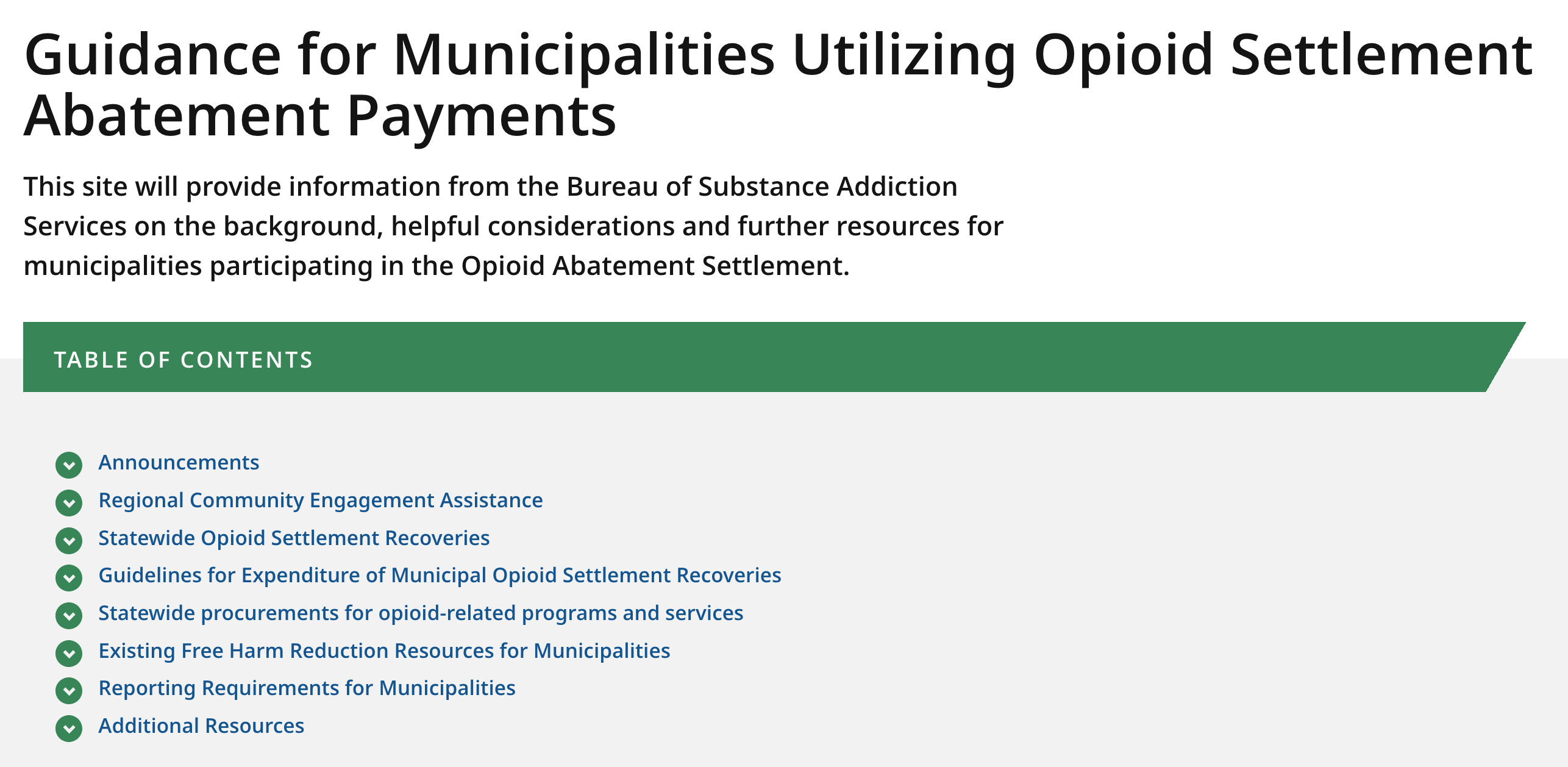
Aside from the listening sessions, the city of Boston created an online survey which was active through mid-July of this year. The platform allowed residents to state in broad or highly specific terms how they thought the funds should be used. Meanwhile the Boston.gov Opioid Remediation web page currently offers an RFI (request for information), so that residents can delve into the fine details around the approved use of the settlement funds. This portal allows residents to submit up to two-and-a-half pages of feedback on how they feel the settlement funds should be spent.
“They will be collecting feedback, then holding listening sessions July through September, and in the fall, they will summarize the feedback from the survey, the RFI, and the listening sessions and give that to the people who have the final say in how the funds are spent. This isn’t a one-and-done funding,” Houston-bean continues. “This is over a long period of time. So, they will do this information-gathering process once a year.”
Civic Cohesion
“BSAS wants people with lived experience, people in recovery, and bereaved people to be the voices that get heard,” Houston-Bean continues. “They want people to know they have a right to express how they think these funds should be spent. At first, I was trying to develop a form letter people could send to their town, but letters tend to get lost in bureaucracy. I want people to be directly contacting their government officials, and they can usually do so under the local health department.”
Reasonable Goals
Ideally, Houston-Bean and her colleagues would like to create a contact list for every municipality and the contact person in the local health department which could be easily accessed by residents anywhere in the state. “This is a tedious process,” she explains. “So, anyone willing to volunteer their time to help with this effort is encouraged to contact me at [email protected].”
From a personal standpoint, Houston-Bean is brimming with ideas on how the money should be spent. “There are so many things this should go towards,” she begins. “Right now, I am concerned about the people we can’t prevent from using. But we want to prevent them from dying so harm reduction is huge for me. How do we keep these people alive and not have additional families living the way that I and so many people I served have lived?”
“Another big thing for me are the kids who have been affected by this. There are so many children that don’t have parents, or their parents cannot take care of them because they are living in active addiction, or they are being raised by grandparents, or they are living in the foster care system. How do we serve those kids? They are at huge risk. Also, for the people I serve, their voices should be heard. What do they need? They are really important to me. My main intention is that the money doesn’t get used on bureaucracy.”
In upcoming installments of this series, VOICES will continue to investigate how the opioid lawsuit settlement money is being discussed and handled in other areas of Massachusetts. If you are concerned with how these funds are going to be spent, and you are attempting to engage with your local government, VOICES would like to hear from you. Please email [email protected].